
Choosing between a dry storage warehouse Saudi Arabia solution and cold storage is one of the most important decisions for businesses that manage products in KSA. The right storage type protects your goods, improves inventory control, reduces waste, and supports faster delivery across Riyadh, Jeddah, Dammam, and other Saudi markets.
Not every product needs cold storage, and not every product can survive in dry storage. Your choice depends on product type, temperature sensitivity, shelf life, safety requirements, dispatch speed, and regulatory needs. For small and medium businesses, warehouse selection should be practical, product-based, and growth-focused.
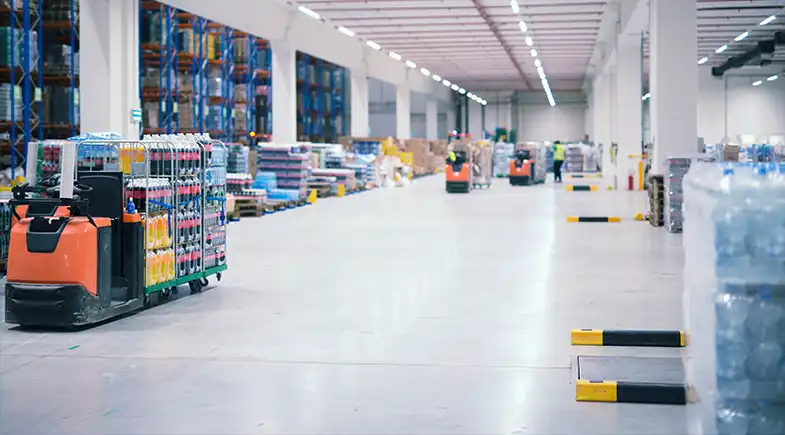
Dry storage is best for products that need a clean, dry, secure, and organized warehouse environment without chilled or frozen conditions. Cold storage is best for temperature-sensitive goods that need controlled cold conditions to protect freshness, safety, quality, or shelf life.
Saudi Arabia's climate, business growth, import activity, retail expansion, and e-commerce demand make proper warehouse planning important. Using the wrong conditions may cause product damage, spoilage, expiry loss, stock rejection, customer complaints, compliance issues, returns, inventory mismatches, and financial loss.
Warehousing is not only an operational need; it is part of Saudi Arabia's wider logistics and economic infrastructure.
A dry storage warehouse stores products that do not need chilled or frozen conditions but must remain in a clean, dry, secure, and organized environment. It protects goods from poor handling, dust, moisture exposure, stock confusion, and unorganized dispatch.
Services may include short- and long-term storage, receiving, inspection, barcode and SKU management, inventory tracking, cycle counting, pick-and-pack, packaging, labeling, palletizing, shrink-wrapping, sorting, consolidation, dispatch, and transportation support.
Cold storage is designed for products that need controlled low-temperature conditions during storage, handling, and dispatch preparation. Depending on the product, it can include chiller, cold, and deep-freeze environments.
Services may include temperature monitoring, product segregation, batch or lot tracking, FIFO and FEFO rotation, quality checks, packaging support, and temperature-aware transport planning. Storage conditions must always match product safety, quality, and regulatory requirements.
| Factor | Dry Storage | Cold Storage |
|---|---|---|
| Main purpose | Store non-perishable goods safely | Protect temperature-sensitive goods |
| Temperature | No chilling or freezing | Controlled cold conditions |
| Common products | Electronics, retail goods, packaged stock | Frozen, chilled, food, healthcare, pharma |
| Risk if incorrect | Dust, moisture, damage, disorganization | Spoilage, expiry, quality loss, safety risk |
| Cost | Usually lower | Usually higher due to equipment and monitoring |
Choose dry storage when products do not need low temperatures but still require clean, secure, organized warehouse support.
Clothing, accessories, packaged goods, consumer products, and general stock can connect with pick-and-pack, packaging, labeling, order processing, dispatch, and returns management.
Laptops, servers, switches, routers, cables, accessories, and spare parts need secure, dry, dust-aware, traceable storage with careful handling and serial-number visibility where applicable.
Dry storage supports project inventory, industrial parts, palletized goods, bulk supplies, household products, personal-care products, and non-perishable consumer goods. FIFO or FEFO may still be needed for dated stock.
Choose cold storage when product quality, safety, shelf life, or compliance depends on temperature control.
Chilled and frozen foods, temperature-sensitive FMCG, healthcare supplies, and pharmaceutical products may require temperature monitoring, batch tracking, product segregation, quality checks, dispatch control, and documentation support.
Some cosmetics, wellness products, and premium goods need stable temperature conditions where required by the label or manufacturer.
Dry storage is usually more cost-effective for products that do not need temperature control. Cold storage typically costs more because of controlled infrastructure, monitoring, energy, special handling, and product-specific care. However, damage to a temperature-sensitive product can cost far more than correct cold storage.
Simple rule: use dry storage when normal dry warehouse conditions do not affect quality. Use cold storage when temperature directly affects safety, shelf life, or quality.
Review product temperature and expiry requirements, sensitivity to heat, manufacturer instructions, fragility, value, and regulatory status. Then consider stock velocity, fulfillment, cross-docking, returns, delivery cities, transportation, batch tracking, and special documentation.
If a product has temperature sensitivity, expiry risk, or safety requirements, cold storage may be needed. If it only needs secure, clean, dry, organized storage, dry storage may be enough.
Both storage types need real-time inventory tracking, barcode and SKU management, cycle counting, reconciliation, segregation, FIFO, FEFO where required, batch or lot tracking, serial tracking where applicable, and Warehouse Management System support.
FIFO dispatches older stock first. FEFO dispatches products with earlier expiry dates first. These methods reduce waste and are especially important for FMCG, food, healthcare, and pharmaceutical goods.
Riyadh is strong for central distribution, technology warehousing, retail fulfillment, and national dispatch. Jeddah supports importers, container offloading, western distribution, FMCG, and trade. Dammam supports industrial goods, Eastern Province distribution, construction materials, and GCC movement.
Yes. A food distributor may use dry storage for packaging and cold storage for chilled goods. A healthcare supplier may store devices dry and sensitive products under controlled conditions. A good warehouse partner can manage mixed needs without operational confusion.
Diqah Logistics can coordinate logistics workflows with your existing business software. This reduces training pressure and disruption while improving inventory visibility, customized reporting, onboarding, dispatch, and returns coordination.
Diqah Logistics in Saudi Arabia supports dry and ambient storage, chiller and cold storage, deep-freeze requirements where applicable, receiving and inspection, barcode and SKU management, inventory tracking, FIFO and FEFO, pick-and-pack, packaging, labeling, cross-docking, dispatch, transportation, returns, and software integration.

Secure storage, inventory control, fulfillment, and dispatch for general commercial goods.
Controlled storage and handling for temperature-sensitive products across KSA.

Storage solutions designed around product temperature, quality, and compliance needs.
A dry storage warehouse stores products that do not require chilled or frozen conditions but need a clean, dry, secure, and organized environment.
Cold storage is for temperature-sensitive goods needing cold, chilled, or frozen conditions to protect quality, freshness, safety, or shelf life.
Dry storage is for non-temperature-sensitive goods. Cold storage is for goods needing controlled cold conditions. The correct choice depends on product type, shelf life, safety requirements, and instructions.
Packaged FMCG, retail products, electronics, IT hardware, consumer goods, spare parts, industrial supplies, construction materials, and e-commerce inventory.
Frozen goods, chilled products, food inventory, healthcare items, pharmaceuticals, temperature-sensitive FMCG, and products with special storage instructions.
Usually, because it does not require the same controlled infrastructure. Businesses should still choose based on product requirements rather than cost alone.
Yes. FMCG, food, healthcare, retail, and distribution companies often handle product categories with different storage requirements.
FIFO moves older stock first, while FEFO moves products with earlier expiry dates first. Both help reduce waste and expiry loss.
Yes. Diqah supports dry storage with secure storage, inventory tracking, SKU management, fulfillment, dispatch, and transportation support.
Yes. Diqah supports chiller, cold storage, and deep-freeze requirements where applicable, based on product type, volume, and compliance needs.
Diqah Logistics helps businesses choose and manage dry, ambient, chiller, and cold storage with inventory tracking, fulfillment, dispatch, and transportation across Saudi Arabia.
Contact Diqah Logistics Explore Warehousing Service